
Expert Heel Pain & Plantar Fasciitis Care
Understanding Your Heel Pain and Path to Relief
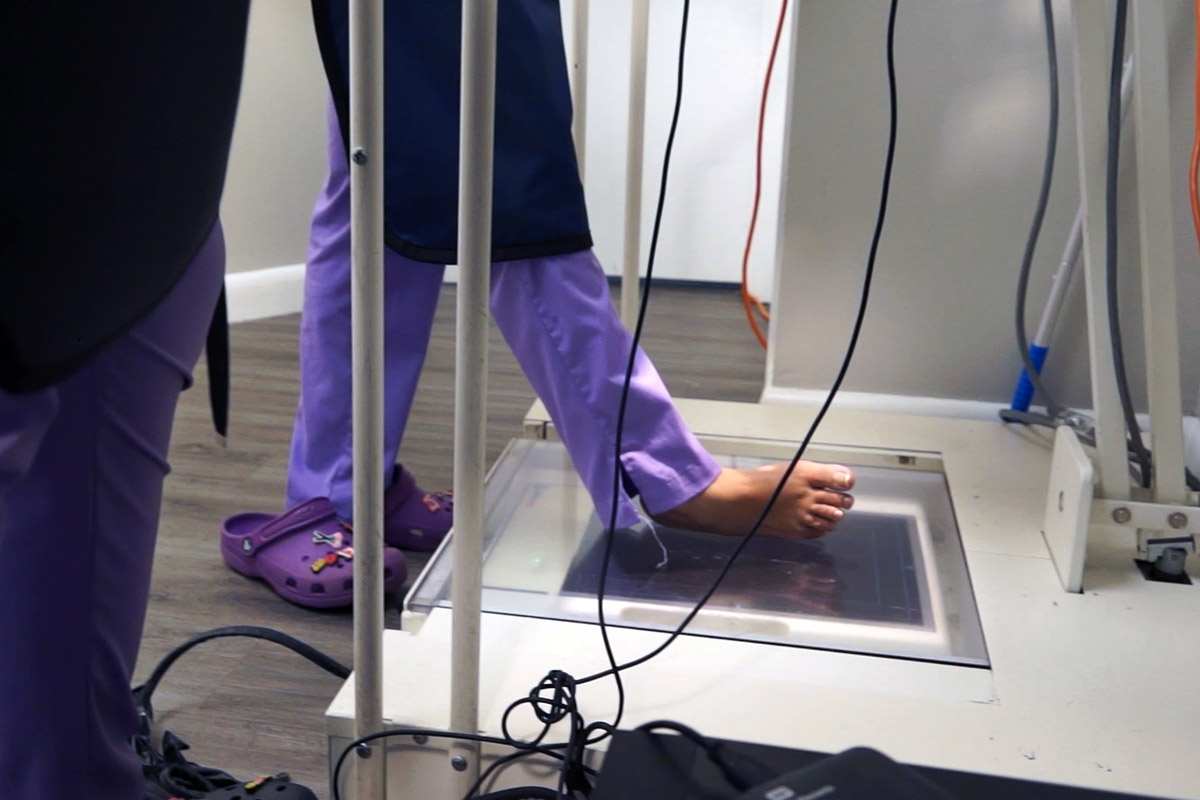
Heel pain is one of the most common conditions our patients face—and it can seriously impact your daily life. From aching discomfort to sharp, stabbing pain, heel problems can prevent you from working, exercising, or enjoying everyday activities. At Mitchell Wachtel D.P.M., we provide comprehensive evaluations and advanced treatment options to get you back on your feet quickly and safely.
Understanding Heel Pain
Heel pain can stem from a variety of causes, including:
- Plantar fasciitis – inflammation of the tissue connecting your heel to your toes
- Achilles tendinitis – irritation or inflammation of the Achilles tendon
- Bursitis – inflammation of fluid-filled sacs near your heel
- Nerve issues – such as entrapment or neuropathy
- Stress fractures – tiny cracks in the heel bone from repetitive strain
Our experienced podiatric team uses thorough physical exams along with in-office diagnostic tools like X-ray and ultrasound to identify the root cause and develop a personalized treatment plan.
Treatment Options for Heel Pain
We offer a range of treatments tailored to your condition and lifestyle, from conservative approaches to advanced therapies:
- Rest & footwear adjustments: Often, simple changes—like supportive shoes or cushioning—can relieve heel pain.
- Physical therapy: Stretching, strengthening exercises, and massage techniques help reduce pressure and improve foot mechanics.
- Custom orthotics & inserts: Properly fitted supports can correct biomechanical issues and cushion the heel for long-term relief.
- Injection therapy: Cortisone injections reduce inflammation and alleviate pain in more persistent cases.
- Laser therapy: Non-invasive laser treatment stimulates circulation and accelerates healing, helping you recover faster.
- Minimally invasive surgery: In rare cases, the Topaz Procedure uses micro-abrasions to promote natural tissue repair with minimal downtime.
For patients exploring regenerative medicine, we also offer amniotic cell injections, which can reduce inflammation and promote healing without surgery.
Plantar Fasciitis
Plantar fasciitis is a leading cause of heel pain. The condition occurs when the plantar fascia—the tissue connecting the heel to the toes—becomes inflamed. Our treatments focus on pain relief, tissue repair, and long-term prevention using methods like stretching programs, custom orthotics, laser therapy, and advanced injection techniques.
Achilles Tendinitis
Inflammation of the Achilles tendon can make walking or running extremely painful. Our podiatric team evaluates your training routines, footwear, and biomechanics to develop an individualized plan to reduce strain, restore mobility, and prevent re-injury.
Free Guide for Runners and Athletes
Request Your Free Book Here
Heel pain can have multiple causes and treatments. To help patients understand their condition, Dr. Wachtel offers a FREE copy of The Heel Pain Book: A Guide to Understanding Its Causes and Treatments. This concise guide provides helpful information and strategies to protect your feet for years to come.

Take Action Today
We proudly provide sports injury care for athletes in North Andover, Lowell, Haverhill, and surrounding communities, helping patients recover faster, prevent injuries, and achieve their athletic goals.
Schedule an appointment today at our North Andover, Haverhill, or Lowell offices by calling 978-794-8406. Don’t let heel pain slow you down—our expert team is here to get you moving again.
Frequently Asked Questions
Heel pain can result from a variety of conditions, including plantar fasciitis, heel spurs, Achilles tendonitis, or inflammation of the fat pad under the heel. Poor footwear, high-impact activity, obesity, or certain foot structures can increase the risk.
Plantar fasciitis is the inflammation of the plantar fascia, a thick band of tissue connecting your heel to your toes. It often causes stabbing pain in the heel, especially in the morning or after prolonged activity.
It’s more common in adults between 40–60, athletes, people who are overweight, and those who spend long hours on their feet or wear unsupportive shoes.
Sharp heel pain when standing or walking, pain that’s worse in the morning or after rest, swelling or tenderness in the heel, and / or pain after prolonged activity (not typically during exercise).
A podiatrist diagnoses plantar fasciitis through a physical exam, evaluating your gait, foot structure, and pain points. Imaging tests like X-rays or ultrasound may be used to rule out other conditions.
Rest and activity modification, stretching and strengthening exercises, orthotics or supportive footwear, physical therapy or shockwave therapy, medications or injections for pain and inflammation, and in rare cases, surgery may be considered.
Yes. Wearing supportive shoes, maintaining a healthy weight, stretching the calves and plantar fascia, and avoiding excessive high-impact activity can reduce the risk of heel pain.
Most patients improve within a few weeks to months with proper care, though severe or chronic cases can take longer. Early intervention often leads to faster recovery.
If heel pain persists longer than a few weeks, worsens over time, or interferes with daily activities, it’s important to seek professional evaluation to prevent complications.
Yes, options like icing, stretching, using supportive shoes or insoles, and reducing high-impact activities can help, but professional guidance ensures effective and safe treatment.
Yes, wearing high heels frequently can contribute to heel pain and plantar fasciitis. High heels place extra pressure on the heel and the arch of the foot, altering your gait and straining the plantar fascia. Over time, this increased stress can lead to inflammation and discomfort. To reduce risk, it’s best to limit prolonged high-heel use, choose shoes with proper arch support, and incorporate foot stretches and strengthening exercises.